Thailand Insight · food
Buying Thai Coffee: Connect the Origin to Your Own Cup
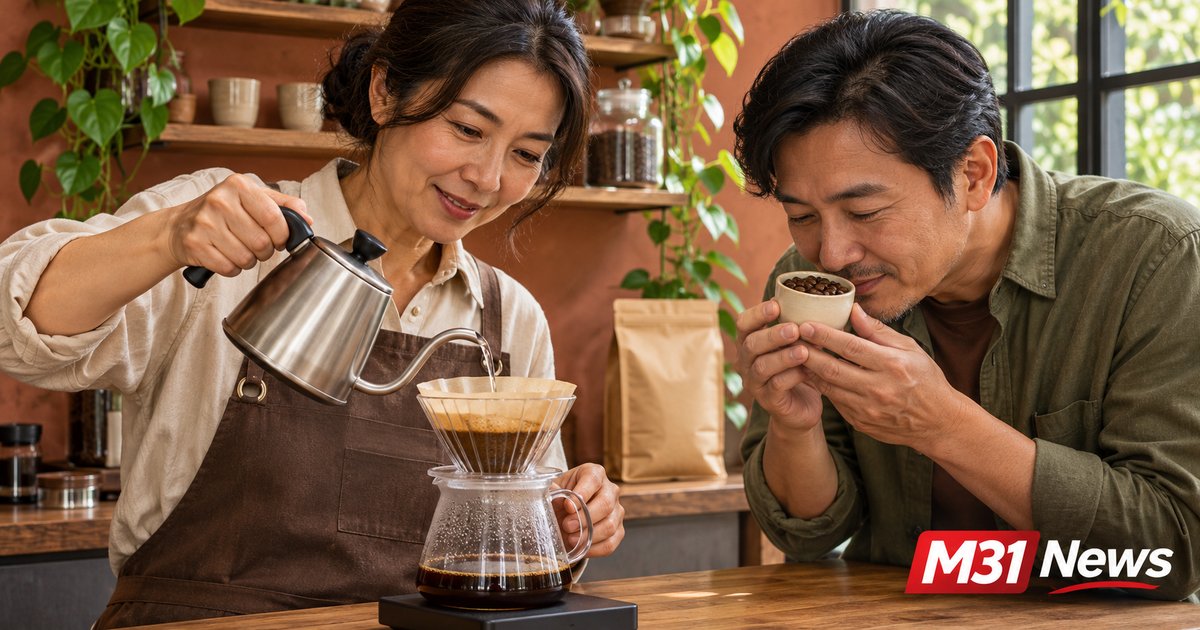
How can you bring home something of a coffee you enjoyed in Thailand? Remembering a famous place name is a beginning. The next conversation is about the beans in front of you and the equipment you actually use. Connecting origin information with personal preferences makes a souvenir purchase more practical.
Why origin is part of the conversation this year
On 5 August 2026, Thailand’s PRD described a TAT culinary map featuring Doi Chang coffee from Chiang Rai. Its context is regional food tourism, not certification of everything sold by a particular café. Culinary-map announcement
A 20 March 2026 PRD announcement described Japanese GI registration for Doi Tung and Doi Chaang coffee. Japan-market announcement Japan’s agriculture ministry identifies a defined Chiang Rai development-project area in its DoiTung registration. The name therefore has a geographical scope worth understanding. MAFF registration
Start with the equipment at home
The following are editorial buying suggestions. Tell the seller whether you use a pour-over brewer, an espresso machine or a simple immersion brewer. Explain whether you add milk and how much you normally prepare. Then ask what method the seller suggests for the particular beans you are considering. A shared origin name should begin a discussion of the product, rather than stand in for the taste you want.
If tasting is available, describe the comparison in your own words: whether the acidity feels comfortable, for example, or whether you plan to add milk. The aim is a note you can use on a return visit, rather than a borrowed vocabulary of tasting terms. If you cannot taste, leave the flavour unverified and consider a small pack first.
Give the explanation with the gift
Check whether the product is whole-bean or ground and whether it suits the recipient’s equipment. Pass on the seller’s roasting, storage and product information. For repeat office or café purchases, we suggest testing a small quantity with the actual equipment and agreeing how to identify the same product on the next order. This is editorial advice, not an official standard guaranteeing flavour or sales.
An origin story helps explain a coffee’s background. Product information, a useful conversation and your own tasting notes connect it to your cup. Rather than turning a GI name into a universal flavour ranking, choose something you can explain: where it comes from, what you were told about it and how you intend to drink it.
References
This column expresses the author’s personal opinions.